Introduction
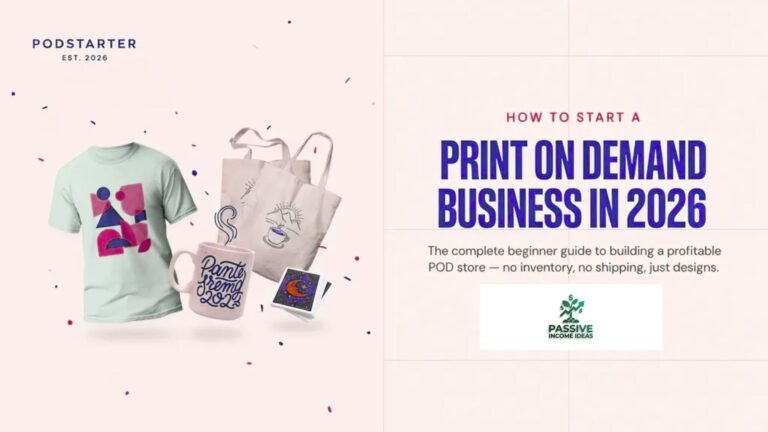
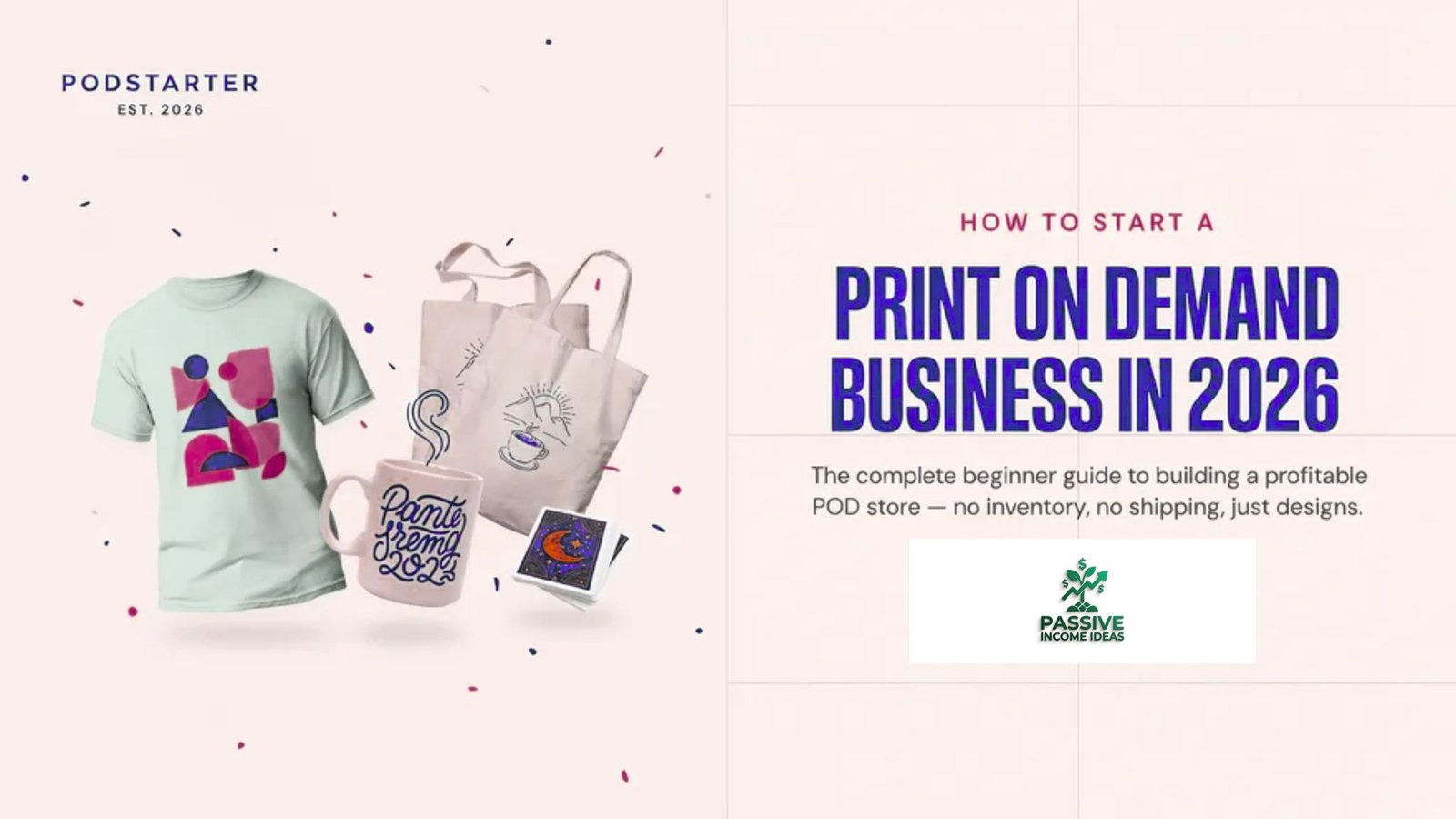
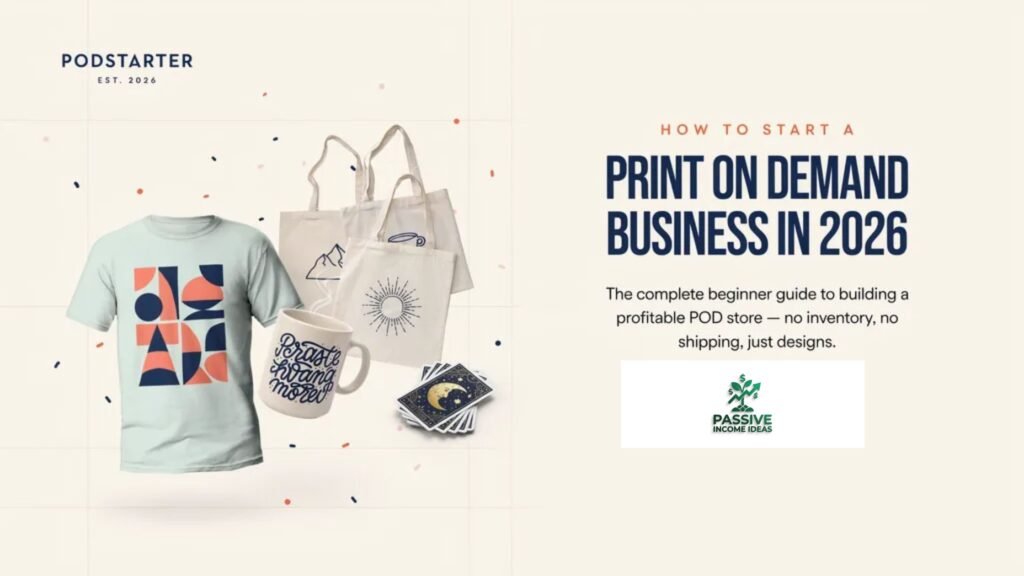
How to Start a Print on Demand Business. Think about it this way: starting an online business is easier than ever. You know, you can now sell custom products without buying inventory or managing shipping yourself. This is what makes the print-on-demand business an attractive opportunity for beginners who want to build an online source of income.
The way people start online businesses has changed a lot lately. Looking at it closely, today, (which is pretty standard) entrepreneurs no longer need large investments or thousands of products before launching an ecommerce store. For what it’s worth, with the growth of digital platforms and online shopping, anyone can create and sell custom products using a simple business model.
A print-on-demand business allows you to sell products online without holding inventory. Instead, than purchasing the product first, you work with a third-party supplier who creates the product after the customer places an order. What a lot of people don’t realize is the thing is, the supplier manages printing, packaging, and shipping. While You focus on building your brand (as most people would agree), creating designs, and attracting customers. Print on demand has become popular because it reduces many of the risks associated with traditional ecommerce. Entrepreneurs can even test different product ideas, explore new market niches, and build online stores without making large upfront investments. Which, when you think about it, makes perfect sense.
From custom clothing and accessories to print-on-demand stickers and unique products like print-on-demand tarot cards, this business model provides many creative opportunities for both beginners and experienced sellers.
But creating a successful POD store requires more than just uploading random designs. Here’s what’s really going on: to build a successful POD store, you need to understand your target audience, choose the right products, create valuable designs, and use effective marketing strategies.
This guide explains how the print-on-demand model works, its benefits and challenges, and the exact steps to build a profitable store in 2026.
What Is the Print on Demand Business Model?
A print on demand business is an ecommerce model where products are created only after the customer completes the purchase. Unlike traditional ecommerce, where sellers buy products in bulk and keep inventory, POD businesses create items based on actual customer demand.
The process is simple. A business owner creates a design and uploads it to a print-on-demand platform. These designs can be added to products such as t-shirts, hoodies, mugs, stickers, posters, cell phone cases, and other custom items.
When a customer purchases a product, the POD supplier prints the design, prepares the order, and ships the POD directly to the buyer. Sellers don’t need to manage production, packaging, or storage. packaging, or storage.
This allows entrepreneurs to focus on the important parts of the business, including improving product ideas, developing brand identity, attracting customers, and increasing sales.
For example, someone interested in fitness could create sports-themed clothing, while a pet lover could build a shop around animal-related designs. Here’s what’s really going on: the success of a POD business often depends on understanding a specific audience and creating a product that connects with possible buyers.
Print on Demand Compared to Traditional Ecommerce
Traditional ecommerce usually requires business owners to buy products before selling them. This means sellers need money for inventory, storage space — and product management. If the product doesn’t sell, the business can even suffer losses because the stock isn’t sold.
Printing on demand eliminates many of these challenges. Plain and simple (which is quite common), products are made only after customers place an order, which means sellers don’t need to invest in large amounts of inventory.
Another big difference is fulfillment. In traditional ecommerce, business owners often handle packaging and shipping themselves or work with a separate fulfillment company. With POD, suppliers manage the entire fulfillment process.
This makes print on demand a flexible option for beginners who want to start an online business with fewer responsibilities.
But POD also has some limitations. Because suppliers manage production, sellers have less control over production costs, product availability, and delivery times. This is why choosing a reliable POD partner is an important step in building a successful store.
Is Print on Demand Still Profitable in 2026?
Yes, the print on demand business can still be profitable in 2026 — but success depends on strategy, creativity, and execution.
The market is actually becoming more competitive as thousands of sellers enter the POD industry. This means businesses can’t rely on generic designs or copied ideas. Successful sellers focus on creating unique products that meet customer needs or specific interests. Modern customers are interested in personalized products that reflect their personality, hobbies, and lifestyle. This creates opportunities for businesses that understand their target audience.
For example, a general clothing store may have difficulty competing with many sellers. Stores that focus on specific communities build stronger relationships with customers. such as fitness enthusiasts, pet owners, travelers — or hobby groups, can even build stronger relationships with customers.
Profitability usually depends on several factors, including:
Several factors influence the success of a print on demand business. Product selection, design quality, pricing strategy, brand reputation, and marketing efforts all work together to attract customers and improve long-term profitability.
Successful POD businesses focus on building a brand, not just selling products. Trusted brands encourage customers to buy again and share their positive experiences with others.
Pros and Cons of Starting a Print on Demand Business
Like every online business model, print on demand has its advantages and challenges. Understanding these factors helps beginners make better decisions before investing time and effort.
Pros of the Print on Demand Model
One of the biggest advantages of POD is its low initial costs. Entrepreneurs don’t need to buy inventory or rent storage space. They don’t need to invest in expensive printing equipment. This makes it possible to test business ideas without taking large financial risks.
Another advantage is easier inventory management. Because products are made after orders are received, sellers don’t have to worry about storing goods or managing unsold products.
Print on demand also makes product testing easier. Entrepreneurs can experiment with different designs, niches, and product categories without making a large investment. If a product isn’t performing well, it can be replaced with another idea.
The flexibility of POD is another reason many people choose this business model. Store owners can manage their products, update their websites, and do marketing from almost anywhere with an internet connection.
Common Cons of the Print on Demand Model
Although POD provides many opportunities, it also has some challenges.
The biggest challenge is competition. As it turns out, because starting a POD store is relatively simple, many entrepreneurs are entering the market. To stand out, sellers need original designs, strong branding, and effective marketing strategies.
Another challenge is profit margins. (and this is key), Because suppliers handle production and fulfillment, their costs reduce the profits earned from each sale. Businesses need smart pricing strategies and quality products to maintain healthy margins.
Supplier dependency is also an important factor. Product quality, delivery speed — and customer satisfaction depend in part on the POD provider. Choosing an unreliable supplier can negatively influence your brand reputation.
Print on Demand Business: Getting Started
Starting a print on demand business becomes easier if you follow a clear process. Although POD doesn’t need a large investment compared to traditional ecommerce, success depends on making the right decisions about your niche, products, suppliers, store setup, and marketing strategy.
Successful POD stores are built one step at a time. For the most part, instead of rushing to upload hundreds of products, focus on creating a strong foundation that helps your business grow over time.
Step 1: Choose a Profitable Niche for Your Print on Demand Business
Every successful print on demand business starts with choosing the right niche. The reality is that this helps you reach customers who are most likely to buy your products. Niches help you target specific customer groups instead of trying to sell products to everyone.
Many beginners make the mistake of creating random designs without understanding who their customers are. And this is key: this makes it difficult to build a recognizable brand because there’s no clear audience behind the product.
Focused niches allow you to understand customer interests, preferences, and purchasing behavior. As it turns out (as most people would agree), you can create designs that suit their lifestyle and provide products they actually want to buy.
For example, a fitness-focused POD store might make sportswear, motivational designs, and sports accessories. The thing is, pet-focused stores can even offer products tailored to animal lovers. Correspondingly, (in most cases) travel-based brands can create products for people who enjoy exploring new places.
Before choosing a market niche, research market demand, competition, and customer interests. In practice (which makes a lot of sense when you think about it), here’s what actually happens: see, the goal is to find an audience that has purchasing power but still allows you to create a unique product.
Step 2: Find the Best Print on Demand Provider
After choosing your niche, the next step is to choose the right print on demand service. (which is quite common), Your suppliers play a major role because they handle product quality, printing, packaging, and shipping.
A reliable POD partner should offer high-quality products, consistent fulfillment, fair pricing, and good customer support.
Different platforms provide different features. Some focus mainly on clothing, while others offer a wider range of products, including accessories, household products, and personal items.
For businesses that focus on custom apparel, Apliiq print on demand could be an option because it provides clothing customization and branding features. These options can even help businesses create a more professional identity instead of selling generic products.
Before selecting a supplier, review product quality, delivery times, pricing, available integrations, and customer feedback. Ordering samples before launch can help you understand the product quality your customers will receive.
Reliable suppliers create a better customer experience and help protect your brand reputation.
Step 3: Select Products for Your Print on Demand Store
Product selection has a direct effect on the success of your print on demand store. In practice, the best products are usually those that fit your niche and provide value to your target audience.
Traditional clothing remains one of the most popular categories on POD.
T-shirts, hoodies, and other apparel allow customers to express their personality, interests, and beliefs through unique designs.
Another growing product category is print-on-demand stickers. Print-on-demand stickers are affordable, lightweight, and popular among content creators, small businesses, and online communities. And people who love personalized products.
Unique products can also create opportunities in smaller markets. For the most part, for example, print-on-demand tarot cards can attract customers interested in spirituality, creativity, and customized collections. These specific types of products often allow businesses to target specific audiences.
Other products to consider include mugs, posters, phone cases, tote bags, wall hangings, and personalized gifts.
When choosing a product, focus on quality, customer demand, and how well it fits your niche, instead of just following trends.
Step 4: Create and Test Your Products
Design quality is one of the biggest factors influencing the success of a POD. Customers are more likely to buy products that look professional, unique — and meaningful.
You can create your own designs using graphic design software, online design tools, or working with a professional designer. Many entrepreneurs also use modern tools to speed up the creative process.
A strong design should be original, visually appealing — and connect with your target audience. Designs that relate directly to a specific community usually perform better than general designs created for everyone.
Instead of launching hundreds of products right away, start with a smaller collection. Test different designs, analyze customer feedback, and improve your product range based on the results.
Testing helps you understand what customers like and prevents you from wasting time on products that are in little demand.
Step 5: Decide Where to Sell Print on Demand Products
Choosing the right sales platform is another important decision for your POD business. The best choice depends on your goals, budget, and experience.
Many entrepreneurs choose to build their own online stores because it gives them complete control over branding, pricing, and customer relationships.
Having your own online store gives you complete control and helps you build a business that can grow over time. You’re not completely dependent on other platforms and can build direct relationships with your customers.
Some sellers also work with online marketplaces because they already have an audience. These platforms can even help startups reach possible buyers faster, even though competition is usually higher.
Social media platforms are also useful for promoting print-on-demand products. For the most part (which is quite common), visual content such as product demonstrations, customer reviews, and design previews can attract attention and encourage people to visit your store.
Strong sales strategies often combine multiple channels instead of relying on just one traffic source.
Step 6: Create a Professional Print on Demand Store
A well-designed store will create a positive first impression and make shopping easier for your customers.
Your store should have a clear brand identity, whether we’re talking about a memorable name, professional design, or consistent visual style. Plain and simple, a strong brand makes your business look more trustworthy and helps customers remember you.
Every product page should clearly explain what the customer is buying. Include useful details about the product, its features, ingredients, and who it’s designed for instead of using short or general descriptions.
High-quality images are also important because online shoppers can’t physically touch the product before purchasing. In practice, high-quality images allow customers to see products more clearly before making a purchase.
The checkout process should be simple and easy to use. A complicated purchasing process can cause visitors to leave before completing their purchase.
Step 7: Optimize Product Listings for SEO
SEO can help your print on demand store attract customers through search engines. Essentially (as most people would agree), optimized product pages increase your chances of appearing when people search for a specific product.
Work with naturally relevant keywords in:
- Product title
- Product description
- Category
- Image information
For example, instead of using a general title like “Funny Clothes,” create a more specific title like “Cute Fitness Motivational Shirts for Gym Lovers.
Clear and informative descriptions help customers understand the product better before making a purchase.
SEO is a long-term strategy. SEO takes time to deliver results, but it can generate consistent organic traffic without paying for every click.
Step 8: Set Competitive Prices
Pricing plays an important role in building a profitable print on demand business.
Your pricing should consider product costs, supplier costs, platform costs, marketing costs, and your desired profit margin.
Many beginners only focus on offering the lowest price — but this strategy isn’t always effective. Competing solely on price can reduce your profits and make it difficult to build a strong brand.
Customers are often willing to pay more for products that offer:
- Unique design
- Better quality
- Strong branding
- Personal value
The goal is to create a product that customers believe is worth buying.
Step 9: Market Your Print on Demand Store
Marketing is one of the most important parts of developing a print on demand business. Even great products need promotion to reach the right audience.
SEO can even help attract people searching for specific products. Sure, social media can help, but marketing can help showcase your designs and create a community around your brand.
Content marketing can also support your store by providing useful information about your niche. For example, a fitness clothing brand could create fitness-related content, while a pet products store could share pet care guides.
Email marketing is another effective strategy because it allows you to stay connected with customers. You can use email marketing to share new products, special offers, and important updates with your customers: specialSpecial offers and important updates.
Successful POD businesses usually combine different marketing methods instead of relying on a single traffic source.
How Long Does It Take to Start a Print on Demand Business?
The time it takes to launch a POD store depends on your preparation, experience, and business goals. If you already have product ideas, designs, and a supplier, you can build a basic store within a few days. However, growing a successful business takes time. You need to test products, understand your customers, improve your designs, and refine your marketing strategy. Launching your store is only the beginning. Long-term success comes from continuous learning, testing, and improving your business.
Is a Print on Demand Business Profitable?
A print on demand business can be profitable if managed with the right approach.
Your earnings potential depends on several factors, including your niche, product quality, marketing skills, pricing strategy, and customer demand.
Some entrepreneurs use POD as a side income opportunity, while others build complete e-commerce brands based on it.
The key to success is creating products that customers want and building a brand that people trust.
Frequently Asked Questions About Print on Demand
What Is Print on Demand?
Print on demand is an ecommerce model where products are created only after customers place orders. The supplier handles printing, packaging, and shipping, while the seller manages the store and marketing.
How Do I Get Designs for My Products?
You can create designs yourself using design software, use online design tools, or hire professional designers. Original designs that match your audience usually have better chances of success.
Do I Need to Handle Shipping?
No. Most print on demand suppliers manage printing, packaging, and shipping. This allows sellers to focus on product development, marketing, and customer relationships.
Is a POD Business Profitable?
Yes, a POD business can be profitable with the right niche, quality products, strong branding, and effective marketing strategy.
Conclusion
Learning how to start a print on demand business can help beginners build a source of online income without the challenges of traditional ecommerce.
The POD model allows entrepreneurs to sell customized products while suppliers handle production and fulfillment. From clothing and stickers to specialty products like print-on-demand tarot cards, there are many opportunities for creative business owners.
But success doesn’t come from simply uploading a design and waiting for sales. In practice, a successful print-on-demand business requires research, quality products, strong branding, SEO (Search Engine Optimization), and consistent marketing.
By choosing the right niche, working with reliable suppliers, and focusing on customer needs, you can build a sustainable print-on-demand business in 2026 and beyond. Remember that success doesn’t happen overnight. Keep testing new products, improving your designs, and refining your marketing strategy based on customer feedback and market trends. With consistency, patience, and a commitment to learning, your print on demand business can grow into a profitable long-term online venture.
About the Author