Running a small business is not easy. You have customers to manage, emails to respond to, leads to follow up on, and sales to track. With everything scattered across spreadsheets, notes and clipboards, things can quickly become a mess. This is where CRM software can make a real difference.
The best CRM software for small businesses helps organize customer information, manage communications, and track sales opportunities all in one place. Instead of wasting time searching for customer details, business owners and teams can focus on building relationships and growing the business.
But with so many CRM tools available, choosing the right one can be confusing. Some platforms are simple and affordable, while others offer advanced features that may be overkill for a small team. The good news is that there are plenty of great options designed specifically for small businesses.
What is CRM (Customer Relationship Management)?
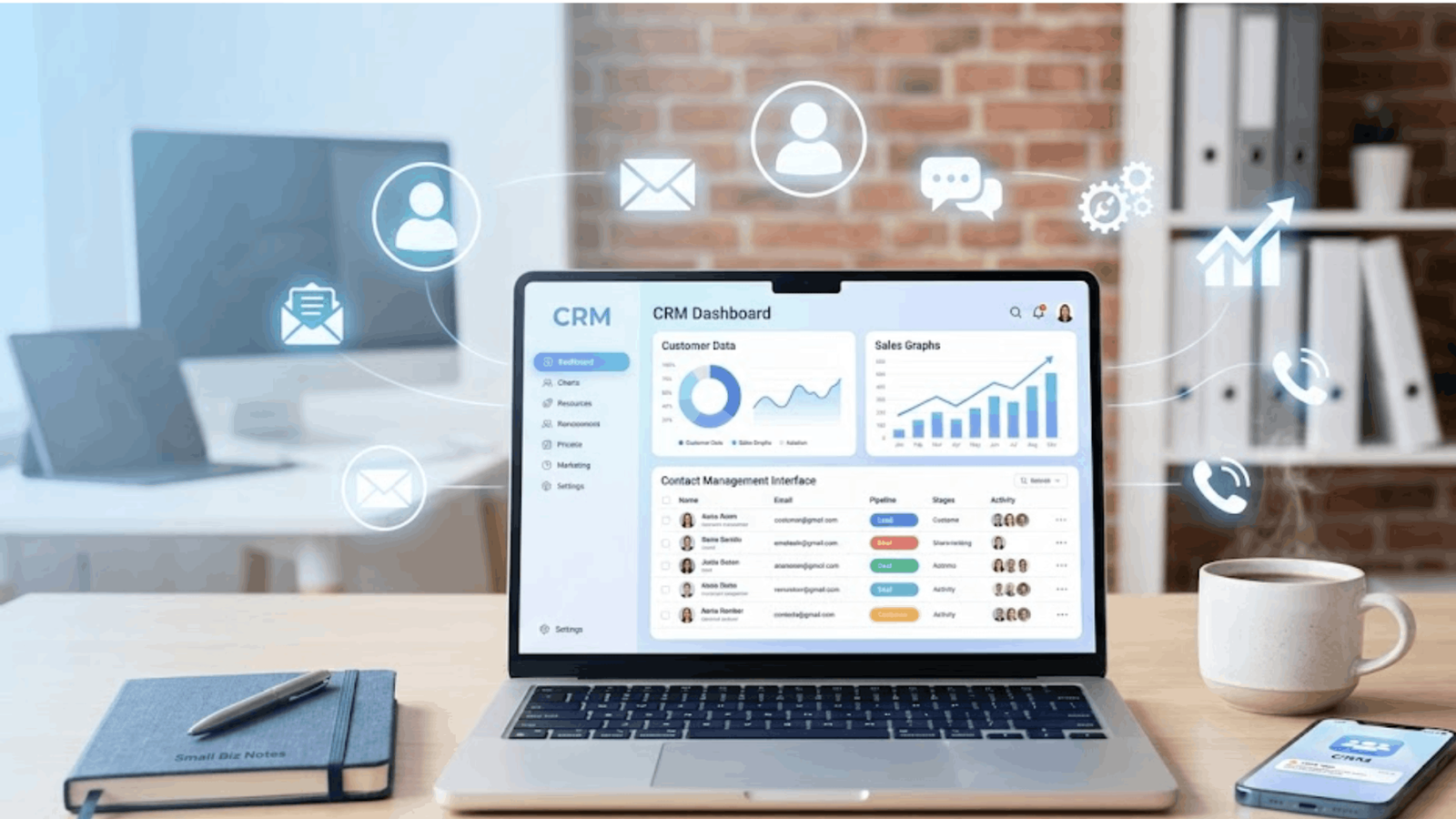
Customer Relationship Management (CRM) is software that helps businesses organize customer information and manage interactions in one place. Instead of using multiple tools or spreadsheets, a CRM system keeps everything in one place so teams can easily access customer details, monitor conversations, and respond at the right time.
For example, if a customer contacts your business today and returns two months later, the CRM lets you quickly view previous conversations, purchase history, and notes. This helps create a better customer experience and saves valuable time.
Small businesses often use CRM software to:
- Track leads and sales opportunities
- Save the customer’s contact information
- Email management and tracking
- Improve customer service
- Keep teams organized
- Monitor sales performance
Simply put, CRM software helps small businesses stay organized and avoid missing out on valuable opportunities.
Why Small Businesses Need CRM Software
Many small business owners believe that CRM tools are only for large companies. That is no longer true. Today, many CRM platforms are affordable, easy to use, and built for smaller teams.
Without a CRM, customer information is often lost in emails or spreadsheets. A missed follow-up can lead to the loss of a potential customer. A CRM solves this problem by keeping everything organized and easily accessible.
Here are a few reasons why small businesses benefit from CRM software:
Better customer management
CRM stores customer details, communication history and important notes in one place. This allows a clearer understanding of customer needs while strengthening long-term relationships.
Improved follow-up
Sometimes customers show interest but don’t buy right away. A CRM helps remind you when to follow up, so no lead is ignored or forgotten.
It saves time
Instead of switching between tools or searching through emails, everything is available in one dashboard. This helps save time and lightens the daily workload.
It helps increase sales.
When leads are properly managed and communication is consistent, closing deals becomes much easier and more predictable.
Better decision-making
CRM also provides insight into customer behavior. You can see what’s working and what’s not, and adjust your strategy based on real data instead of guesswork.
The best CRM software for small businesses
Finding the best CRM software for small businesses depends on your goals, budget, and team size. Below are a few of the most popular and reliable options.
1. HubSpot CRM
HubSpot CRM is one of the most widely used choices for small businesses. It offers a free plan with features such as contact management, email tracking, offer channels, and reporting tools.
One of the main reasons people choose HubSpot is its simplicity. Even beginners can use it without any technical knowledge.
Best for: Startups and growing businesses
2. Zoho CRM
Zoho CRM is an affordable option that still offers powerful features. It includes automation, lead tracking, workflow tools, and report dashboards.
Small businesses like Zoho because it provides flexibility without high costs.
Best for: Businesses on a budget
3. Pipedrive
Pipedrive is built primarily for sales-focused teams. It provides a clear visual way to monitor trades and progress.
It’s easy to understand and helps sales teams stay organized without confusion.
Best for: Businesses focused on sales
4. Salesforce
Salesforce is one of the most powerful CRM platforms in the world. It includes flexible customization options along with automation and reporting tools.
However, this can be difficult at first for very small teams.
Best for: Businesses planning long-term growth
5. Fresh sale
Freshsales is designed for simplicity and ease of use. It helps manage leads, emails and customer communications in one place.
Its clean interface makes it perfect for everyday use.
Best for: Small teams requiring easy setup
Choosing the Best CRM Software for Small Businesses: A Simple Guide
Before choosing a CRM, it is important to understand the actual business needs. A system with too many features can be confusing if you don’t use them.
Here are some questions to help you decide:
- Is it easy for my team?
- Does it fit my budget?
- Can it grow with my business?
- Does it support automation?
- Does it integrate with my current tools?
- Does it improve daily workflow or make things more complicated?
Most CRM platforms offer free trials. Trying several options is often the best way to understand which one suits your work style.
Other benefits of using CRM tools
Beyond the basic features, CRM systems offer long-term benefits that many small businesses realize over time.
One of the main benefits is a better understanding of customers. You can see buying patterns, customer preferences and sales trends over time. This will help you better plan your offers and improve your marketing strategies.
Another important advantage is automation. Tasks such as follow-up emails, reminders and task assignments can be automated. This reduces manual work and helps you stay consistent even when you’re busy.
CRM systems also increase customer trust. When communication is timely and organized, customers feel valued. This helps build repeat business and strong long-term customer relationships.
Safety is another key advantage. Most modern CRM tools store data securely in the cloud, protecting important customer information from loss or system failure.
Final thoughts
Choosing the best CRM software for small businesses doesn’t have to be complicated. The right CRM helps organize customer information, improve communication and save time every day.
Whether you choose HubSpot, Zoho, Pipedrive, Salesforce, or Freshsales, the goal remains the same: to make your business more organized, efficient, and customer-centric.
A good CRM is not just a tool for storing contacts. It becomes a system that supports growth, improves relationships and helps small businesses move forward with confidence.
About the Author